Diverticulitis Surgery in Houston: Your Guide to Digestive Wellness and Treatment Options
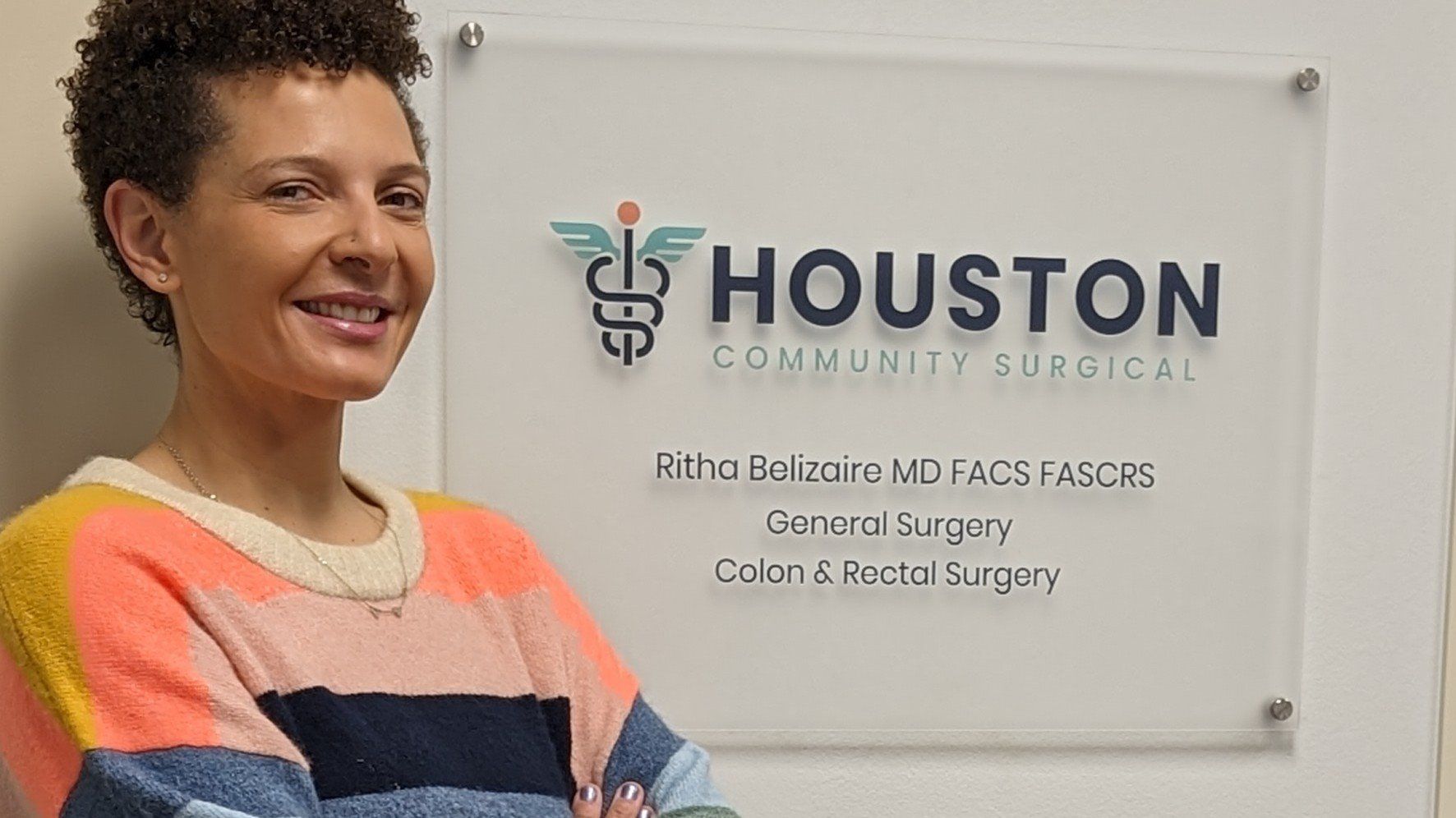
By Dr. Ritha Belizaire
Quick Insights
Diverticulitis surgery is a medical procedure to remove the damaged section of the colon affected by repeated inflammation or complications. It's often recommended for individuals whose diverticulitis causes severe symptoms or recurs frequently.
This surgery significantly reduces the chance of future flares and improves digestive comfort, as supported by recent surgical research and clinical guidelines.
Key Takeaways
- After a first mild attack, most people never have another. About 1 in 6 do, and a repeat attack that turns severe is uncommon.
- Emergency surgery is needed for about one-third of hospitalized patients, particularly with severe infection or peritonitis.
- Minimally invasive procedures are now the preferred choice for many patients, promoting faster recovery and fewer complications.
- National guidelines emphasize shared decision-making, tailoring surgery to each patient's health, symptoms, and personal goals.
Why It Matters
Understanding diverticulitis surgery is crucial for anyone facing persistent digestive pain or repeated flare-ups. Making informed decisions helps reduce anxiety, restore confidence, and improve long-term quality of life—letting you return to daily activities with less fear and more control over your digestive wellness.
Introduction
As a board-certified colorectal surgeon serving Houston, I know firsthand how diverticulitis surgery can change lives.
Diverticulitis surgery is the removal of the damaged section of the colon that keeps getting inflamed or infected. For many Houston-area residents, it's the answer to repeated pain, unpredictable bathroom emergencies, and the constant worry of another flare-up.
This procedure isn't just about fixing a piece of bowel—it's about restoring digestive wellness, confidence, and comfort, especially when conservative treatments haven't done the trick.
For people whose flares keep coming back or disrupt daily life, surgery to remove the diseased segment can end the cycle of attacks.
At Houston Community Surgical, Dr. Ritha Belizaire and her team provide personalized, specialized colorectal care for patients from the Medical Center to Midtown Houston and surrounding neighborhoods. If you're wondering when to seek specialized care or what to expect, you're in the right place—let's clear up the confusion together.
What Is Diverticulitis?
Diverticulitis occurs when small pouches, known as diverticula, within the colon become inflamed or infected. These pouches can form due to increased pressure on weak spots in the colon wall, often over years.
When bacteria become trapped in diverticula, infection may lead to discomfort.
In my surgical practice, I often observe patients experiencing sudden, cramp-like pain typically located in the lower left abdomen. Additional symptoms might include fever, nausea, and noticeable changes in bowel habits.
For some, the discomfort is mild but persistent. For others, it can be severe enough to disrupt daily life.
Diagnosis begins with a thorough patient discussion and physical examination. In many cases, I opt for a CT scan to confirm diverticulitis and exclude other potential issues. Blood tests are useful in identifying signs of infection or inflammation.
From my perspective as a board-certified colorectal surgeon, clear communication is key. I make it a point to explain every step and test to ensure that patients understand their diagnosis and the rationale for each procedure.
Symptoms and Diagnosis in Houston
For Houston residents experiencing regular abdominal discomfort, overlooking these symptoms as mere dietary indiscretions could delay essential care.
Key symptoms to watch out for include:
- Persistent lower left abdominal pain
- Fever or chills
- Nausea or vomiting
- Altered bowel habits, either constipation or diarrhea
In my clinical experience, addressing these symptoms promptly can significantly alter the disease course. If you notice these warning signs, especially combined with fever or heightened pain, contacting a healthcare professional is crucial.
When to Seek Medical Attention
Immediate medical consultation is warranted if you experience:
- Intense and unrelenting abdominal pain
- High-grade fever or chills
- Indications of peritonitis, such as an unusually rigid or tender abdomen
Early intervention can stave off complications and hasten recovery.
When Should Surgery for Diverticulitis Be Considered?
Surgery isn't necessary for most patients with diverticulitis. Mild flares usually settle with rest and a liquid diet, and national guidelines say some patients don't even need antibiotics.
However, if you're battling recurrent flares or encounter complications like abscesses, fistulas, or strictures, surgical intervention might be the most viable option.
The decision to pursue surgery should be individualized. I consider your general health, flare frequency, and specific goals before suggesting surgery.
Guidelines from reputable sources, such as the AGA and ASCRS, support these consultations to ensure patient-centered decisions.
Clinical observations support the notion that breaking the cycle of chronic pain through surgery returns a sense of normalcy to patients. The relief from unpredictability can be substantial.
Recurrent Flare-Ups: When Conservative Care Isn't Enough
If flares keep disrupting your life, or symptoms linger between flares, it's time to evaluate your options. National guidelines no longer use a set number of attacks to decide on surgery.
Evidence indicates that surgical intervention often leads to better life quality for those with frequent flare-ups. In my practice, patients often report regaining the confidence to return to activities they were once hesitant to pursue.
Individualizing Treatment: Factors That Matter
Each patient presents unique clinical circumstances. Considerations include:
- Age and general health
- Severity and number of previous flares
- Existence of complications such as abscesses or fistulas
- Your personal treatment preferences and lifestyle demands
In consultation, we review all relevant aspects to develop a treatment plan that aligns with your personal health goals.
Types of Diverticulitis Surgery
There's no universal surgery for diverticulitis. The primary aim is excising the affected colon section and rejoining the healthy parts.
The choice between procedures, such as a sigmoid resection, depends on individual clinical needs.
Minimally invasive surgery has established itself as a preferred method for most, promising less postoperative pain, reduced hospital stays, and quicker resumption. As I regularly perform these techniques, they frequently offer my patients smoother recoveries with fewer complications.
Elective vs Emergency Surgery
Planned (elective) surgeries typically follow recurrent flare-ups or emerging complications. However, emergency surgery becomes necessary with acute conditions, such as perforation.
Elective procedures are my target, aiming to arrange surgeries under controlled, non-crisis conditions.
Minimally Invasive Surgical Options
Laparoscopic and robotic-assisted techniques are at the forefront whenever clinical conditions permit. These allow:
- Reduced postoperative discomfort
- Faster recuperation
- Lesser infection risk
Whenever possible, I prefer performing a primary anastomosis—reconnecting the bowel in a single procedure. Severe cases may require a Hartmann's procedure, which involves a temporary colostomy.
In my experience, such minimally invasive surgeries foster quicker returns to daily life with diminished complication chances.
What to Expect: Preparing for and Recovering from Surgery
Preparation and recovery can seem daunting. My role is to guide you through these steps.
We start with a detailed consultation about your medical history, current medications, and procedural expectations. Preoperative tests ensure we're comprehensively prepared.
On surgery day, you'll discuss the plan with the anesthesia team. Most minimally invasive surgeries last 2–3 hours, followed by a hospital stay for monitoring.
How to Prepare for Your Procedure
Patient preparation checklist includes:
- Temporarily discontinuing certain medications like blood thinners
- Only consuming clear liquids the day preceding surgery
- Arranging transport home and assistance during recovery
I encourage patients to voice any concerns—clarity matters to me.
Postoperative Care and Recovery Timeline
Recovery is progressive. Common milestones include:
- Initiating short walks the day after surgery
- Transitioning to a light diet within days
- Resuming regular activities within 2–4 weeks
Active engagement post-surgery promotes faster recovery and overall well-being.
Risks and Outcomes of Diverticulitis Surgery
Every surgical operation involves risk. Potential complications include infections, bleeding, or leakage at the surgical site.
However, severe issues post-surgery are infrequent, notably within elective, minimally invasive contexts. Research from the LASER trial underlines that the complication rates for surgical patients are comparable to those treated conservatively.
Long-term relapse prevention is significant post-surgery, with only 10% recurrence at four years compared to 92% for non-surgical management.
Risks & Possible Complications
Potential concerns include:
- Postoperative infection or abscess formation
- Bleeding risk
- Connection (anastomosis) site leakage
- Rare instances of temporary or permanent colostomy, particularly in elective surgeries
Discussing these possibilities openly ensures informed patient decisions.
Long-Term Results and Quality of Life
Overall, patients tend to experience:
- Significantly reduced future flare frequency
- Enhanced digestive function
- Elevated life quality standards
Data-backed evidence affirms quality life improvement post-elective surgeries for recurrent conditions.
Why Choose Dr. Ritha Belizaire for Diverticulitis Surgery in Houston?
Selecting a surgeon is pivotal. As a dual board-certified colorectal expert, I bring sophisticated training, empathy, and a steadfast commitment to your comfort and dignity.
My practice at Houston Community Surgical offers expedient scheduling, ensuring prompt answers when you require them. You can directly schedule a same-day consultation with me for personalized surgical advice and care.
Credentials, Experience, and Patient Philosophy
My credentials encompass board certifications in both general and colorectal surgery, alongside fellowship distinctions. I prioritize a familial approach, ensuring transparency and aligning care with your expectations.
I specialize in minimally invasive tactics, with options including nitrous oxide-aided in-office treatments and advanced interventions like Axonics sacral neuromodulation for fecal incontinence.
Advanced Technology and Houston Community Focus
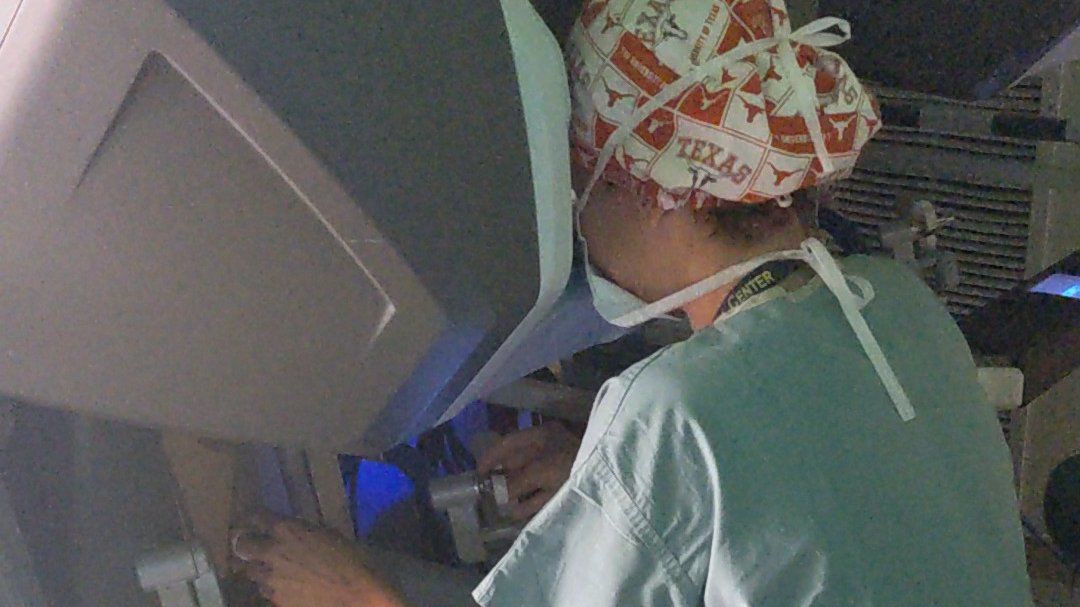
At Houston Community Surgical, we harness contemporary tech like robotic-assisted systems and enhanced recovery protocols to minimize your discomfort.
Our team and I are focused on delivering a hassle-free experience within our vibrant Houston community. The city's renowned institutions, including Texas Medical Center, demonstrate Houston's commitment to advanced medical care and set a high standard for patient outcomes.
What Our Patients Say on Google
Patient experiences are at the heart of everything I do as a colorectal surgeon in Houston. When someone takes the time to share their story, it reminds me why compassionate, thorough care matters—especially during stressful moments.
I recently received feedback that captures what we aim to provide, even in urgent situations. This review from Karen highlights the importance of clear communication and genuine support:
"I feel so fortunate to have come across such a kind and compassionate doctor especially in an emergency situation. Dr. Belizaire will take the time to interact with you and text you back. In addition to explaining everything so thoroughly. I will definitely recommend her!" — Karen
You can read more Google reviews here.
Stories like this reinforce my commitment to making every patient feel heard, informed, and supported—whether you're facing diverticulitis surgery or simply seeking answers about your digestive wellness.
Diverticulitis Surgery in Houston: Local Expertise for Digestive Wellness
Living in Houston means access to advanced surgical care and a diverse medical community that understands the unique needs of our city.
The climate, local cuisine, and fast-paced lifestyle can all play a role in digestive wellness, making it even more important to have a trusted physician nearby.
At Houston Community Surgical, I see many patients from River Oaks to the Medical Center who have struggled with recurring abdominal pain or unpredictable flare-ups. Our city's size and resources allow for prompt imaging, minimally invasive procedures, and coordinated follow-up—so you don't have to travel far for expert care.
Houston is home to respected medical centers like Houston Methodist Hospital, reflecting the city's leadership in healthcare innovation and patient safety.
I'm proud to offer personalized treatment plans that reflect both the latest research and the realities of life in Houston. Whether you're seeking relief from chronic symptoms or want a second opinion, my team and I are here to help you regain digestive wellness in Houston.
If you're ready to take the next step, call 832-979-5670 to schedule a consultation. For those outside the area, virtual second opinions are available—so expert guidance is always within reach.
Conclusion
Diverticulitis surgery in Houston can be a life-changing step for those tired of unpredictable pain and digestive distress.
In summary, surgery dramatically lowers the risk of future flare-ups and helps restore comfort, as supported by current clinical guidelines. My approach as a board-certified colorectal surgeon is to blend advanced, minimally invasive techniques with genuine compassion—so you feel heard, respected, and confident in your care.
Whether you're in Upper Kirby or West University, Houston Community Surgical is here to provide expert diverticulitis surgery and comprehensive digestive wellness support.
If you're ready to stop missing out on life's moments and want answers from a specialist who understands both the science and the stress, call my office at 832-979-5670 for a same-day or next-day appointment. Not in Houston? I offer virtual second opinions at www.2ndscope.com, so expert guidance is always within reach.
Subscribe to my colorectal health newsletter to stay updated on issues like diverticulitis and learn more about ways to improve your digestive wellness.
Let's work together to reclaim your digestive wellness and peace of mind.
This article is for educational purposes only and should not be used as a substitute for professional medical advice, diagnosis, or treatment. Always seek the advice of your physician or other qualified healthcare provider with any questions you may have regarding a medical condition or treatment options. Never disregard professional medical advice or delay in seeking it because of something you have read in this article.
Frequently Asked Questions
What is diverticulitis surgery, and who should consider it?
Diverticulitis surgery involves removing the damaged part of the colon to prevent future flare-ups. I recommend it for patients who have frequent or severe episodes, complications like abscesses, or ongoing symptoms that disrupt daily life.
This approach is backed by research showing significant reductions in recurrence and improved quality of life.
Where can I find expert diverticulitis surgery in Houston?
You can schedule a same-day or next-day appointment with me at Houston Community Surgical by calling 832-979-5670.
As a board-certified colorectal surgeon, I offer minimally invasive options and personalized care right here in Houston, so you don't have to travel far for advanced treatment and compassionate support.
How do you help patients feel comfortable with sensitive colorectal procedures?
I know these topics can be embarrassing or stressful. That's why I offer in-office procedures under nitrous oxide for anxious patients, explain every step in plain language, and always prioritize your dignity.
My goal is to make you feel safe, respected, and confident—no matter how sensitive the concern.
SHARE ARTICLE:
SEARCH POST:
RECENT POSTS: