Hemorrhoid Treatment Options for Houston, TX Patients: From Office Care to Surgery
By Dr. Ritha Belizaire
Quick Insights
Hemorrhoid treatment ranges from simple lifestyle changes to surgical procedures. Most cases respond to conservative care like fiber supplements and topical medications. Office-based procedures such as rubber band ligation can address internal hemorrhoids without surgery. When symptoms persist despite these approaches, surgical options may provide more definitive relief. Evaluation by a colorectal surgeon helps determine which treatment pathway matches your specific condition.
Key Takeaways
- Rubber band ligation treats internal hemorrhoids with minimal downtime and can be done in-office.
- Stapled hemorrhoidopexy causes less immediate pain but may have higher recurrence than traditional hemorrhoidectomy.
- Grade III or IV prolapsing hemorrhoids often require surgical intervention for lasting symptom control.
- Recovery time varies from days for office procedures to several weeks for surgical options.
Why it Matters
Understanding your treatment options reduces anxiety about seeking care. Many patients delay evaluation due to embarrassment, allowing symptoms to worsen. Knowing that effective solutions exist—from simple office visits to advanced surgical techniques—empowers you to address discomfort affecting your daily activities, work performance, and confidence in social situations.
Introduction
As a board-certified colorectal surgeon, I've helped hundreds of Houston-area patients find relief from hemorrhoid symptoms that were affecting their daily lives. For more insight into my background and expertise as a board-certified colorectal surgeon, please visit Dr. Ritha Belizaire's professional bio page.
Hemorrhoid treatment ranges from simple lifestyle adjustments to surgical procedures, depending on symptom severity and how your body responds to initial care. Many patients feel embarrassed discussing these symptoms, but hemorrhoids are one of the most common conditions I evaluate at Houston Community Surgical—and effective solutions exist at every stage.
The key is accurate diagnosis and matching your specific situation to the right treatment pathway. Some patients achieve lasting relief with office-based procedures like rubber band ligation, while others with more advanced prolapse may benefit from surgical options that provide definitive results.
Understanding your options helps you make informed decisions about your care and reduces the anxiety that often comes with seeking evaluation. Whether you're in Montrose, Midtown Houston, or Upper Kirby, expert hemorrhoid care is accessible.
What Are Hemorrhoids?
Everyone has hemorrhoids. They are cushions of blood vessels in the anal canal that help with bowel control. They become a problem when they swell, bleed, or slip out.
- Internal hemorrhoids sit inside the anal canal. They usually cause painless bright red bleeding or a bulge that comes out during bowel movements.
- External hemorrhoids sit under the skin around the anus. If a clot forms inside one, it can cause a sudden, painful lump.
Rectal bleeding should never be written off as "just hemorrhoids," especially if you're over 45 or have a family history of colon cancer. An exam by a colorectal specialist confirms the cause.
Understanding Hemorrhoid Severity and Treatment Pathways
Hemorrhoid treatment begins with understanding what grade of hemorrhoids you have, because this determines which options may work best.
In my Houston practice, I evaluate symptoms like bleeding, prolapse, and discomfort to classify hemorrhoids from Grade I (internal bleeding only) to Grade IV (permanently prolapsed tissue that can't be pushed back). Current guidelines recommend starting with the least invasive approach that matches your severity level.
Grade I and II hemorrhoids often respond well to dietary changes, fiber supplementation, and topical treatments. Grade III hemorrhoids—those that prolapse during bowel movements but can be manually reduced—may need office-based procedures. Grade IV hemorrhoids typically require surgical intervention because the tissue remains outside the anal canal and causes persistent symptoms.
I've found that accurate grading prevents both under-treatment and over-treatment. Some patients arrive expecting surgery when office-based care would suffice, while others have delayed evaluation so long that simpler options are no longer effective. The goal is matching your specific anatomy and symptom pattern to the treatment pathway most likely to provide lasting relief.
Conservative and Office-Based Hemorrhoid Treatments in Houston
Most patients start with conservative measures that address the underlying causes of hemorrhoid symptoms. Increasing dietary fiber to 25-30 grams daily, staying well-hydrated, and avoiding straining during bowel movements can significantly reduce bleeding and discomfort. I recommend these changes to nearly everyone, regardless of hemorrhoid grade, because they support long-term anal health.
When conservative measures aren't enough, rubber band ligation offers an effective office-based solution for internal hemorrhoids. During this brief procedure, I place a small rubber band around the base of the hemorrhoid, cutting off its blood supply. The ligated hemorrhoid usually falls off within 5 to 10 days.
Many patients return to normal activities within a day or two, though some may need up to two weeks before resuming strenuous activities. This approach works well for Grade II and some Grade III hemorrhoids.
Other office-based options include infrared coagulation and sclerotherapy, which use heat or chemical injection to shrink hemorrhoid tissue. These procedures cause minimal discomfort and require no anesthesia beyond topical numbing. I often perform them during the same visit as your evaluation, allowing you to address symptoms without scheduling a separate procedure day.
For those seeking advanced treatments for fecal incontinence related to hemorrhoidal disease, I am proud to offer Axonics sacral neuromodulation, a specialized therapy that can provide lasting symptom improvement when traditional approaches are not enough.
When Office Treatments May Not Be Enough
Some hemorrhoids don't respond adequately to office-based care, particularly when prolapse is severe or symptoms persist despite multiple banding sessions. Research comparing rubber band ligation with surgical options shows that while banding causes less immediate discomfort, certain patients achieve better long-term control with surgical intervention.
I consider escalating to surgical evaluation when Houston patients experience recurrent prolapse after office procedures, when hemorrhoids are too large for effective banding, or when multiple hemorrhoid columns require treatment simultaneously.
Grade IV hemorrhoids—those that remain prolapsed and can't be reduced—typically need surgery from the start because office procedures don't address the degree of tissue prolapse.
External hemorrhoids that form painful blood clots (thrombosed external hemorrhoids) may also benefit from surgical excision rather than waiting for the clot to resolve on its own.
In my practice, I evaluate each patient's symptom severity, impact on daily function, and previous treatment responses to determine when surgical consultation becomes appropriate.
Surgical Options for Persistent Hemorrhoids
Surgical hemorrhoid treatment includes several approaches, each with distinct benefits and recovery profiles. Traditional hemorrhoidectomy removes hemorrhoid tissue completely and provides the most definitive long-term results. This procedure requires general anesthesia and involves several weeks of recovery, but it effectively treats even the most severe hemorrhoids.
Stapled hemorrhoidopexy offers an alternative that repositions prolapsed tissue rather than removing it. Systematic reviews show this approach causes less immediate postoperative pain and allows faster return to activities compared with traditional hemorrhoidectomy. However, some patients experience higher recurrence rates over time, so I discuss these trade-offs carefully during consultation.
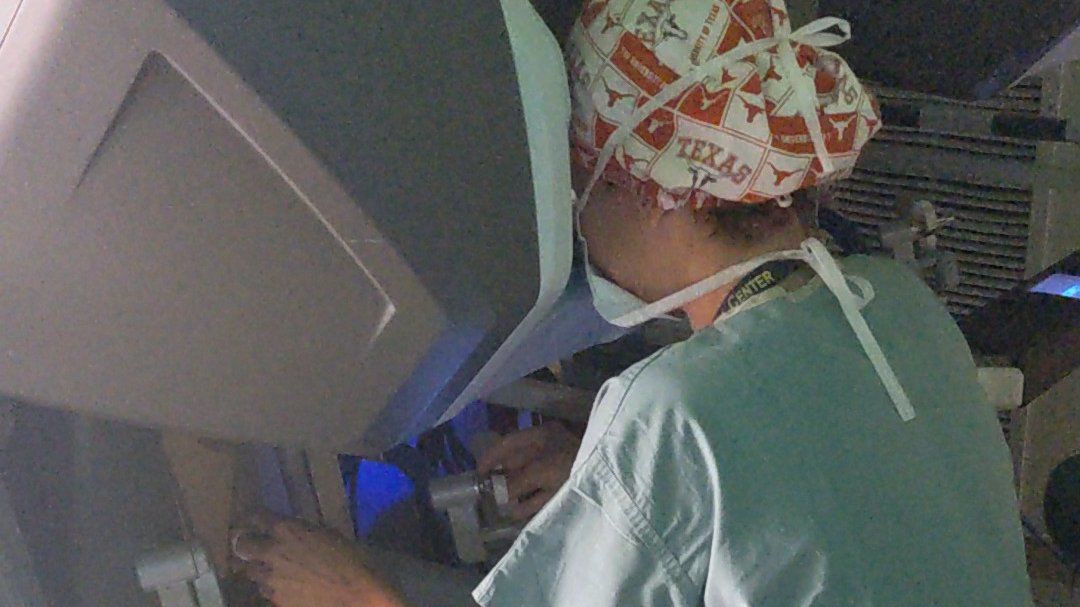
I also perform minimally invasive techniques using advanced surgical technology that reduces tissue trauma and speeds healing. For Houston-area patients, the choice between surgical options depends on your hemorrhoid anatomy, symptom severity, and personal preferences regarding recovery time versus long-term recurrence risk. My goal is helping you understand which approach best matches your specific situation and lifestyle needs.
For patients seeking comprehensive, specialized colorectal care in Houston, I invite you to learn more about my specialized colorectal care services—including state-of-the-art treatments for hemorrhoids and related conditions.
Recovery Expectations for Houston Patients
Recovery varies significantly depending on which hemorrhoid treatment you receive. Office-based procedures like rubber band ligation typically cause mild discomfort for a few days, though some patients may experience discomfort for up to a week. Many patients return to work within a day or two, though some may need up to two weeks before resuming strenuous activities. You may notice some bleeding when the banded tissue falls off, but this is expected and usually minimal.
Surgical hemorrhoidectomy requires more substantial recovery, typically two to four weeks before you feel comfortable resuming all normal activities. Pain management during the first week is important, and I provide detailed instructions about sitz baths, stool softeners, and appropriate pain medication. Long-term outcome studies demonstrate that patients who complete the full recovery period generally achieve excellent symptom control.
Stapled hemorrhoidopexy falls somewhere in between, with most patients experiencing less postoperative pain than traditional hemorrhoidectomy but more discomfort than office procedures. Recovery typically takes one to two weeks. Regardless of which treatment pathway you follow, I emphasize the importance of maintaining soft, regular bowel movements during healing to prevent symptom recurrence and support optimal long-term results.
A Patient's Perspective
As a colorectal surgeon, I know that patient experiences often reveal what matters most about the care we provide.
"As a patient with chronic GI issues and past medical trauma, I can say confidently that Dr. Belizaire is a beacon of hope. Her diagnostic and surgical skills are top notch and her bedside manner is amazing." — Carrie
This is one patient's experience; individual results may vary.
Carrie's words remind me why accurate diagnosis matters so much. When patients have struggled with symptoms for a long time, they deserve careful evaluation and clear explanations about their options.
Conclusion
Choosing the right hemorrhoid treatment depends on accurate diagnosis and understanding which approach matches your specific symptoms. In my practice, I've seen patients achieve excellent relief through office-based procedures like rubber band ligation, while others with more advanced prolapse benefit from surgical options that provide lasting control.
The key is starting with the least invasive approach that addresses your severity level, then escalating only when necessary.
As a board-certified colorectal surgeon, I help patients navigate these decisions based on their individual anatomy and symptom patterns. Current guidelines support this staged approach, ensuring you receive appropriate care without unnecessary procedures. Whether you need simple dietary guidance or surgical intervention, understanding your options reduces anxiety and empowers informed decision-making.
I serve Houston and nearby communities including Montrose, Midtown Houston, and Upper Kirby with comprehensive hemorrhoid care. If you're experiencing hemorrhoid symptoms that affect your daily comfort or confidence, don't let embarrassment delay evaluation. Call Houston Community Surgical at 832-979-5670 to request a prompt appointment. Not local? I also offer virtual second opinion case reviews at www.2ndscope.com—so no matter where you are, expert help is just a click away.
To take the next step, schedule a same-day consultation with my office today.
Nearby facilities include Memorial Hermann Health System, serving the broader Houston community.
This article is for educational purposes only and should not be used as a substitute for professional medical advice, diagnosis, or treatment. Always seek the advice of your physician or other qualified healthcare provider with any questions you may have regarding a medical condition or treatment options. Never disregard professional medical advice or delay in seeking it because of something you have read in this article.
If you want to stay informed about the latest in hemorrhoid treatment, colorectal conditions, and office based hemorrhoid care, subscribe to my colorectal health newsletter and get expert updates right in your inbox.
Frequently Asked Questions
What's the difference between office-based and surgical hemorrhoid treatment?
Office-based treatments like rubber band ligation address internal hemorrhoids through brief procedures performed during your clinic visit, with minimal downtime and no anesthesia required. Surgical options like hemorrhoidectomy remove tissue completely under general anesthesia and require several weeks of recovery, but they provide more definitive results for severe prolapse. Most patients start with office procedures and escalate to surgery only when symptoms persist or hemorrhoids are too advanced for simpler approaches.
How do I know if I need surgery for my hemorrhoids?
Surgery becomes appropriate when office-based treatments haven't controlled your symptoms, when hemorrhoids remain permanently prolapsed outside the anal canal, or when multiple hemorrhoid columns require simultaneous treatment. Grade IV hemorrhoids that can't be manually reduced typically need surgical intervention from the start. I evaluate your specific anatomy, symptom severity, and response to previous treatments to determine whether surgical consultation would benefit you.
What can I expect during recovery from hemorrhoid surgery?
Recovery time varies by procedure type. Traditional hemorrhoidectomy requires two to four weeks before you feel comfortable resuming all activities, with careful pain management and stool softening during the first week. Stapled hemorrhoidopexy typically involves one to two weeks of recovery with less immediate discomfort. Both approaches require maintaining soft, regular bowel movements during healing to prevent recurrence and support optimal long-term symptom control.
Where can I find hemorrhoid treatment in Houston?
Dr. Ritha Belizaire at Houston Community Surgical provides physician-led evaluation and treatment for hemorrhoid symptoms. Located in Houston, my practice focuses on clear answers, respectful care, and evidence-based options from office-based procedures to surgical intervention. If you're unsure what's causing your symptoms, scheduling a visit can help you understand next steps.
SHARE ARTICLE:
SEARCH POST:
RECENT POSTS: