By Ritha Belizaire, MD, FACS, FASCRS
Board-Certified General and Colorectal Surgeon
Quick Insights
Bowel endometriosis occurs when endometrial-like tissue grows on or into the intestinal wall, causing painful bowel movements, constipation, and cyclic digestive symptoms that gynecologic surgery alone may not fully address. Effective treatment requires collaboration between a gynecologist who manages pelvic disease and a fellowship-trained colorectal surgeon who safely removes bowel lesions while preserving intestinal function. When both specialists work together, patients can experience better symptom relief, fewer complications, and a more complete resolution of both pelvic and bowel symptoms.
Key Takeaways
- Bowel endometriosis affects the intestinal wall and requires specialized colorectal surgical expertise beyond standard gynecologic training
- Multidisciplinary teams combining GYN and colorectal surgeons can achieve better symptom relief and lower complication rates than single-specialty approaches
- Segmental bowel resection, disc excision, and shaving are colorectal surgical techniques that may restore bowel function and improve quality of life when performed by fellowship-trained surgeons
- Fellowship-trained colorectal surgeons bring essential skills in intestinal reconstruction, anastomosis technique, and perioperative care that can optimize recovery and reduce complication risk
Why Bowel Endometriosis Affects More Than Your Pelvis
For women managing endometriosis in the Houston Heights and throughout Greater Houston, getting the right surgical team can mean the difference between partial relief and a real return to daily life. Many patients begin with their gynecologist, which is exactly where endometriosis care should start. But when endometrial-like tissue invades the intestinal wall, a different layer of surgical expertise becomes necessary. Understanding which specialist does what can help you ask the right questions and advocate for the most comprehensive care.
When Endometriosis Involves the Bowel: Why You Need Both Specialists
Most patients know endometriosis as a gynecologic condition. What many don't realize is that it can also infiltrate the bowel wall, a presentation called deep infiltrating endometriosis, causing symptoms like painful bowel movements during menstruation, constipation, cyclic rectal bleeding, and a persistent feeling of incomplete evacuation. These bowel-specific symptoms often don't resolve with gynecologic surgery alone, because the root cause, a lesion embedded in or through the intestinal wall, requires surgical expertise beyond pelvic anatomy.
As a board-certified general and colorectal surgeon who collaborates with minimally invasive gynecologic surgeons, I regularly see patients who have had multiple gynecologic procedures but continue to struggle with bowel symptoms. Research published in the Journal of Minimally Invasive Gynecology on planned multidisciplinary GYN-colorectal laparoscopic procedures confirms that coordinated surgical teams can improve feasibility and workflow for complex cases, addressing both dimensions of disease in a single operation. I also bring academic-level surgical training from my years as a former assistant professor of surgery at UT Health Houston, where that same evidence-based approach to complex colorectal cases was developed.
Important Safety Information
Bowel resection for endometriosis is major surgery. Risks include anastomotic leak, infection, bleeding, and changes in bowel function. Not all bowel endometriosis requires resection: some cases may be managed with shaving (removing the surface lesion) or disc excision (removing a small full-thickness area and repairing it). Surgical approach is always individualized based on the depth of involvement and each patient's overall health. Patients with severe symptoms, prior abdominal surgeries, or complex medical histories benefit most from thorough preoperative evaluation by both GYN and colorectal teams before any surgical decision is made.
What Makes Bowel Endometriosis Different from Pelvic Endometriosis
Research suggests endometriosis may affect roughly 10% of reproductive-age women worldwide. According to the National Institutes of Health, lesions can occur on the ovaries, fallopian tubes, pelvic lining, and bowel, contributing to a wide range of symptoms depending on where they implant. When lesions remain superficial on the pelvic peritoneum, they can typically be excised by an experienced gynecologist.
Deep infiltrating endometriosis is different. When it penetrates the muscularis layer of the bowel wall, most often affecting the rectum and sigmoid colon, it crosses into territory that requires colorectal surgical training. The critical decisions involve assessing the depth and extent of bowel wall penetration and choosing the appropriate technique: shaving, disc excision, or segmental resection. According to Mayo Clinic, specialized surgical technique and careful approach selection are essential when the bowel wall is involved, and multidisciplinary GYN-colorectal collaboration is the recognized standard for complex cases.
In my practice, I often see patients who were told their bowel symptoms were "just IBS" or were attributed to endometriosis without a specific colorectal workup. Accurate assessment of bowel involvement changes the surgical plan entirely.
Why Colorectal Surgical Training Matters for Bowel Endometriosis
Expertise in Intestinal Resection and Anastomosis
When endometrial tissue penetrates the full thickness of the bowel wall, segmental resection may be the most appropriate approach: removing the diseased section of intestine and reconnecting the healthy ends. This is a core colorectal surgery skill requiring fellowship training beyond general surgery or gynecology. Key technical elements include tension-free anastomosis, blood supply preservation, and selecting between stapled and hand-sewn techniques to minimize the risk of anastomotic leak.
A systematic review published in BJOG analyzed over 1,800 segmental bowel resections for endometriosis and found that pain relief in the first year was commonly reported following surgery. However, the review also identified significant limitations: indications for resection were poorly documented across studies, data heterogeneity limits definitive conclusions, and complication rates varied considerably. These findings underscore both the potential benefit of bowel resection and the importance of individualized surgical planning by surgeons trained in intestinal reconstruction.
Minimally Invasive and Robotic Approaches
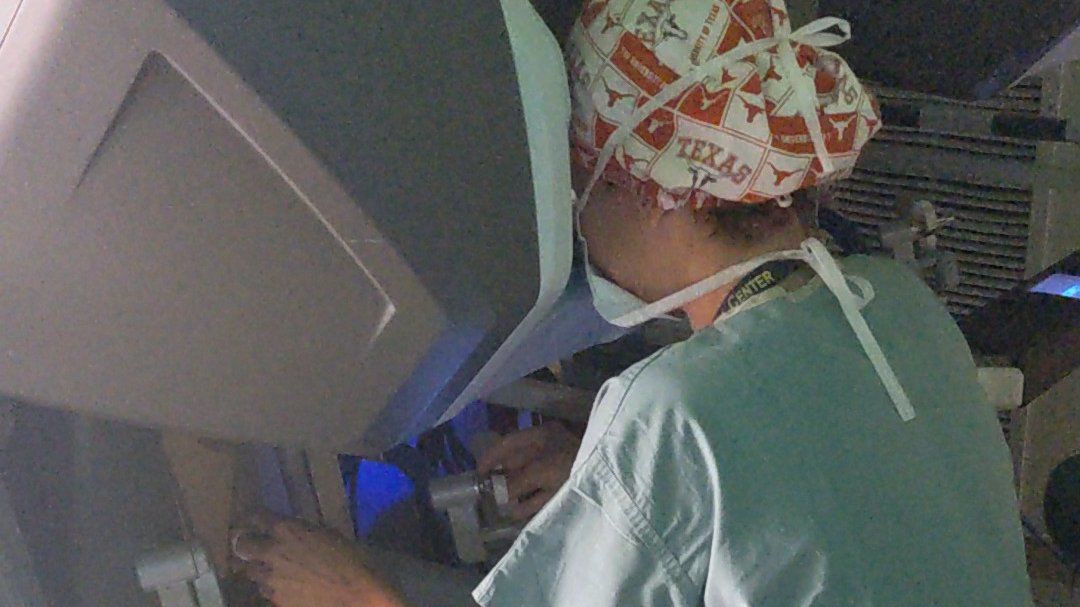
Fellowship-trained colorectal surgeons use advanced minimally invasive and robotic colorectal surgery techniques to perform bowel resections with smaller incisions, reduced pain, and faster recovery than open surgery. Robotic visualization is particularly valuable in the deep pelvis, where bowel endometriosis most often occurs and where surgical precision matters most.
A multidisciplinary robotic study published in Techniques in Coloproctology reviewed 68 consecutive robotic bowel endometriosis procedures performed by coordinated GYN and colorectal teams. The study found a 2.9% postoperative complication rate, with significant improvement in dyschezia scores and quality-of-life measures at six months follow-up. The researchers note this is a retrospective study from a specialized endometriosis center, so results may not apply to all settings, but the findings support the feasibility and safety of a robotic multidisciplinary approach in experienced hands.
Perioperative Care and Enhanced Recovery Protocols
Colorectal surgeons follow structured enhanced recovery after surgery protocols designed to reduce complications, shorten hospital stays, and optimize bowel function recovery. These evidence-based protocols, supported by clinical practice guidelines from ASCRS and SAGES, include early postoperative feeding, multimodal pain control that minimizes opioids, and systematic bowel function monitoring. While these guidelines address colorectal surgery broadly, their principles apply directly to any bowel resection performed in the context of endometriosis care.
The Evidence for Multidisciplinary GYN-Colorectal Collaboration
The case for coordinated surgical teams is supported by converging evidence. Retrospective data from a series of planned multidisciplinary laparoscopic procedures for deep infiltrating endometriosis with colorectal involvement found that joint GYN and colorectal teams demonstrated workflow benefits when conducting minimally invasive procedures together, supporting an integrated approach over staged single-specialty care.
Mayo Clinic and UCSF Health both emphasize multidisciplinary, specialized care as the standard when bowel involvement is identified or suspected, highlighting the importance of coordinating GYN and colorectal evaluation before any surgical plan is finalized.
A population-based study of over 750 women who underwent colorectal resection for endometriosis in the United States, published in the International Journal of Colorectal Disease, found that major complications occurred in 13.5% of cases overall, with open surgery associated with a rate of 20.4% compared to 9.9% for minimally invasive approaches. This observational study cannot establish causality, but the findings highlight why surgical approach and patient selection matter, reinforcing the value of involving a fellowship-trained colorectal surgeon in the planning process.
When GYN and colorectal surgeons collaborate, the gynecologist addresses pelvic disease while the colorectal surgeon manages bowel resection and reconstruction in a single operation. This can reduce the need for staged procedures and allows both dimensions of disease to be treated more completely.
Accessing Multidisciplinary Bowel Endometriosis Care in the Houston Heights
Many patients across the Houston Heights and surrounding Greater Houston neighborhoods begin their endometriosis journey with a gynecologist, which is the appropriate starting point. Recognizing when to add a colorectal surgeon to the team is where the care pathway often breaks down. Some patients are referred; others undergo gynecologic surgery without colorectal evaluation, only to find their bowel symptoms persist.
I collaborate with gynecologists and minimally invasive gynecologic surgery specialists to provide the colorectal surgical component of care for patients with bowel involvement. My role in these partnerships is the bowel: evaluating the extent of intestinal disease, performing the bowel resection when needed, and managing postoperative bowel function. The gynecologic care remains with your GYN surgeon.
Houston is home to Texas Medical Center and Baylor College of Medicine, and world-class women's health expertise is nearby. What I offer at Houston Community Surgical is that same level of colorectal subspecialty training in a community-based, physician-owned practice in the Heights, accessible for patients in Montrose and throughout the inner loop. Both UCLA Health and professional society guidance from the American Society of Colon and Rectal Surgeons emphasize that early coordination between GYN and colorectal specialists leads to better-informed, more complete surgical planning.
Houston Community Surgical offers same-day and next-day consultations, making it straightforward for patients and referring gynecologists to add colorectal evaluation without extended waits.
When Should You Ask About a Colorectal Surgery Consultation?
Several signs suggest your endometriosis may involve the bowel and warrant colorectal surgical evaluation. These include painful bowel movements, particularly during menstruation; cyclic rectal bleeding or blood in the stool; severe constipation or a persistent feeling of incomplete evacuation; bowel symptoms that have not improved with medical management or prior gynecologic surgery; and imaging findings, such as MRI or pelvic ultrasound, showing endometriosis nodules on or near the intestinal wall.
In my practice, I often hear from patients who felt embarrassed discussing bowel symptoms or assumed these symptoms were unrelated to their endometriosis. They are not unrelated. Bowel symptoms are among the most common presentations of deep infiltrating endometriosis, and they deserve direct surgical assessment. If your gynecologist has mentioned possible bowel involvement, or if you recognize yourself in this symptom list, a consultation with a colorectal surgeon can clarify your options and help you make an informed decision about care.
What to Expect During Your Colorectal Consultation at Houston Community Surgical
During your consultation, I conduct a thorough history focused on your bowel symptoms, how they correlate with your menstrual cycle, prior treatments, and any imaging you have had. Please bring colonoscopy reports, MRI findings, or pelvic ultrasound results if available, as these are essential to assessing the extent of bowel involvement.
I explain your surgical options, including shaving, disc excision, or segmental resection, along with realistic expectations for recovery and bowel function after each approach. I also outline how the colorectal plan coordinates with your gynecologist's pelvic surgical plan, so you leave the consultation understanding the full picture. The visit typically takes 30 to 45 minutes. Our Heights office at 427 W. 20th Street is open Monday through Friday, and same-day or next-day appointments are available.
Comparing Treatment Approaches: Multidisciplinary vs. Single-Specialty Care
When bowel endometriosis is present, the care model significantly shapes what gets treated and how well. Here is how the two main approaches compare:
Scope of treatment: A coordinated GYN-colorectal approach addresses both pelvic endometriosis and full-thickness bowel involvement in a single operation. Gynecologic surgery alone focuses on pelvic disease and may not fully address bowel lesions that have infiltrated the intestinal wall.
Surgical expertise: The multidisciplinary model combines gynecologic excision skills with colorectal training in intestinal resection, anastomosis, and bowel reconstruction. Gynecologic training centers on pelvic anatomy; bowel procedures requiring full-thickness resection are outside the scope of standard gynecologic fellowship.
Techniques available: A colorectal surgeon brings the full range of bowel-specific approaches: segmental resection, disc excision, shaving, and robotic or laparoscopic instrumentation tailored to the depth of bowel involvement. Gynecologic surgery primarily involves excision and ablation of pelvic lesions.
Complication management: Colorectal surgeons are trained in anastomotic leak prevention, bowel function optimization, and enhanced recovery protocols specific to intestinal procedures. Bowel-related complications after gynecologic-only surgery may require additional specialist involvement.
Symptom targets: A multidisciplinary approach can address both pelvic pain and bowel-specific symptoms, including dyschezia, cyclic rectal bleeding, and constipation. When bowel involvement is not addressed surgically, these symptoms are likely to persist.
Results vary by individual, and not every patient with bowel endometriosis requires resection. The right approach is determined by a thorough preoperative evaluation of the extent and depth of disease.
Taking the Next Step Toward Complete Relief
Bowel endometriosis is complex, but it is treatable, and ongoing bowel symptoms are not something you have to accept as an inevitable part of having endometriosis. For patients throughout the Heights and surrounding communities, multidisciplinary GYN-colorectal surgical care is available locally. You do not need to travel out of state to access fellowship-trained colorectal expertise for this condition.
Schedule a consultation at our Houston Heights office to discuss whether your bowel symptoms warrant colorectal evaluation. Individual outcomes depend on your anatomy, symptoms, and overall health, but early evaluation can make a meaningful difference in your surgical outcome and quality of life.
If you're experiencing any of these symptoms, don't wait. Call my office at 832-979-5670 to request a same-day or next-day appointment. Not local? I also offer virtual second opinion case reviews at www.2ndscope.com. No matter where you are, expert help is just a click away.
Medical Disclaimer
This article is for educational purposes only and should not be used as a substitute for professional medical advice, diagnosis, or treatment. Always seek the advice of your physician or other qualified healthcare provider with any questions you may have regarding a medical condition or treatment options. Never disregard professional medical advice or delay in seeking it because of something you have read in this article.
Frequently Asked Questions
How do I know if my endometriosis involves my bowel?
Symptoms like painful bowel movements during your period, cyclic rectal bleeding, severe constipation, or a feeling of incomplete evacuation can suggest bowel involvement. Imaging studies, including MRI or transvaginal ultrasound, can often identify endometriosis nodules on or near the intestinal wall, and your gynecologist may refer you for colorectal evaluation if these are found.
Will I need a bowel resection, or are there less invasive options?
Not all bowel endometriosis requires resection. Depending on the depth of involvement, I may recommend shaving (removing the lesion from the bowel surface), disc excision (removing a small full-thickness area and repairing it), or segmental resection (removing a section of bowel and reconnecting the ends). The approach is tailored to your specific anatomy and symptoms after a thorough preoperative evaluation.
What is recovery like after bowel surgery for endometriosis?
Most patients undergoing minimally invasive or robotic bowel resection spend two to four days in the hospital. In my practice, most patients return to light activities within two to three weeks. I use enhanced recovery protocols that minimize pain and support early return of bowel function, and your care team provides close follow-up to monitor your progress.
Where can I find a colorectal surgeon for bowel endometriosis in Houston Heights?
Houston Community Surgical is located at 427 W. 20th Street, Suite 710, in Houston Heights. I offer same-day and next-day appointments for colorectal consultations, including evaluation for bowel endometriosis. Call 832-979-5670 to schedule.
SHARE ARTICLE:
SEARCH POST:
RECENT POSTS: